What are damp problems in an interior wall?
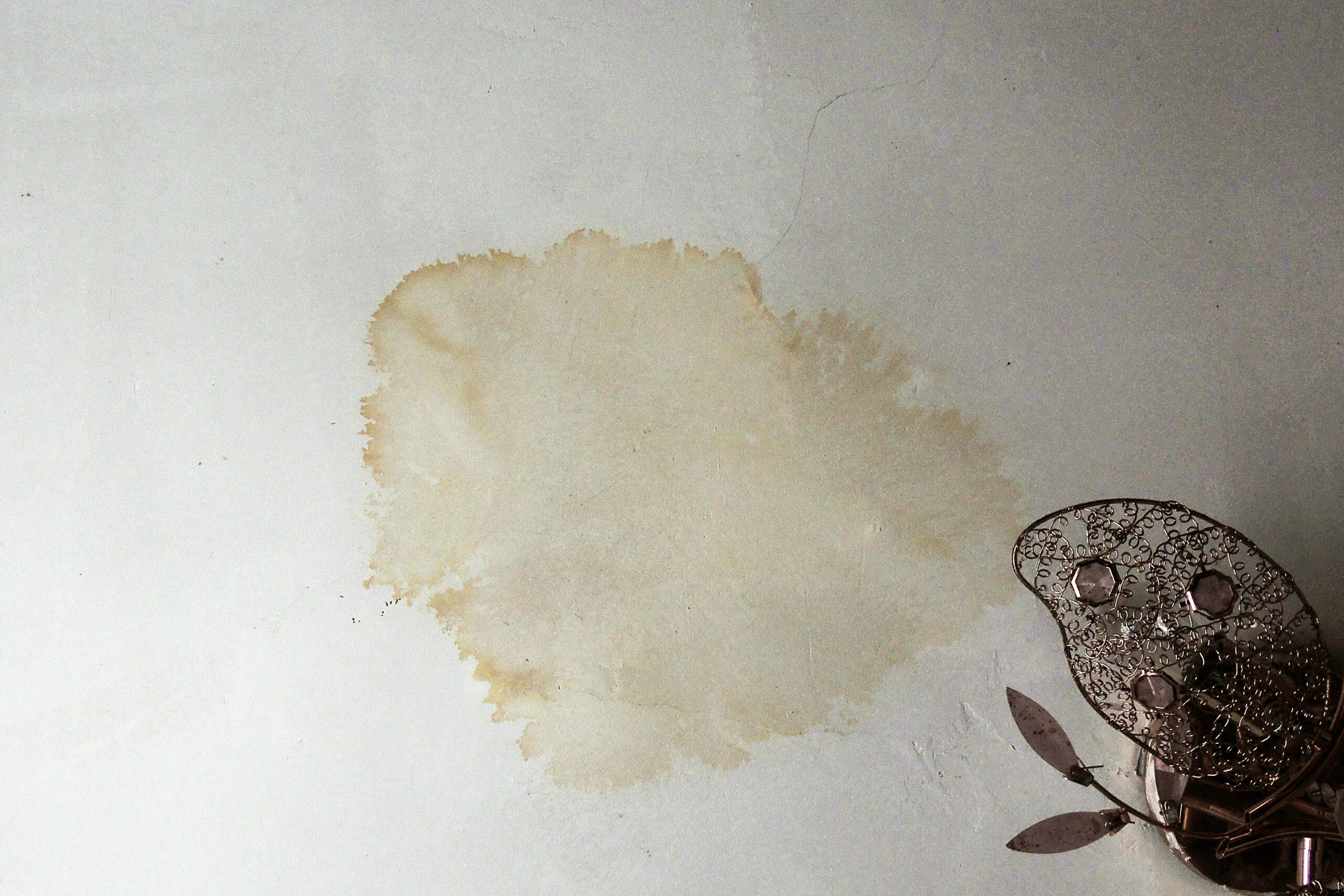
Damp problems in an interior wall appear when water penetrates or condenses inside the building materials, causing stains, peeling paint and mould. Damp problems in an interior wall are usually related to water ingress, condensation or rising damp coming up from the ground.
Besides the visual impact, damp problems in an interior wall affect indoor air quality, reduce comfort and may damage the structure over time. This is why you need a real solution for damp problems in an interior wall that tackles the root cause instead of just hiding the stains with a new coat of paint.
How to identify damp problems in an interior wall
Before applying any solution for damp problems in an interior wall, you must identify the type of damp.
-
Penetrating damp: localised stains that often appear after rain or because of leaking pipes.
-
Condensation: water droplets, misted windows and mould, especially in poorly ventilated bathrooms, kitchens and bedrooms.
-
Rising damp: stains and salt deposits that move upwards from the bottom of the wall.
A proper diagnosis helps you choose the right solution for damp problems in an interior wall and avoid unnecessary or purely cosmetic work. If you are unsure, it is advisable to call a specialist in damp problems in an interior wall to carry out a professional inspection.
Solution for damp problems in an interior wall caused by condensation
When condensation is the main cause, the solution for damp problems in an interior wall focuses on reducing excess moisture in the air.
-
Improve ventilation by opening windows regularly.
-
Install extractor fans in kitchens and bathrooms.
-
Use dehumidifiers or moisture absorbers in critical areas.
After that, clean the mould with suitable fungicidal products and apply anti‑damp or anti‑condensation paint to protect the surface. This type of solution for damp problems in an interior wall lowers the risk of mould coming back and clearly improves indoor air quality.
Solution for damp problems in an interior wall caused by rising damp
For rising damp, the solution for damp problems in an interior wall must stop water from travelling up through the masonry. The most common methods include:
-
Chemical injection barriers at the base of the wall to create a horizontal waterproof layer.
-
Electro‑osmosis systems that change the polarity of the wall and push moisture back into the ground.
Once this solution for damp problems in an interior wall has been applied, you should remove the damaged plaster and rebuild the finish with breathable renders and vapour‑permeable paints. This allows the wall to dry out gradually and provides long‑lasting protection against new damp problems in an interior wall.
Solution for damp problems in an interior wall caused by penetrating damp
If the issue comes from penetrating water, the first solution for damp problems in an interior wall is to repair the source: broken roof tiles, cracks in the façade, failed joints or damaged plumbing. Then you should:
-
Remove loose paint and deteriorated plaster.
-
Allow the wall to dry thoroughly.
-
Apply appropriate waterproofing products and anti‑damp coatings.
In some cases, combining this solution for damp problems in an interior wall with internal insulation (plasterboard systems with insulation boards, rigid panels, etc.) helps to improve thermal comfort and reduce the risk of future condensation. However, it is essential to make sure the cause of damp problems in an interior wall is fully resolved before closing and decorating the wall again.