Damp Problems in Homeowners’ Associations: Who Has to Pay for the Repairs?
Damp problems are among the most frequent issues affecting homeowners’ associations. In addition to causing aesthetic damage, they can affect the structure of the building, create health concerns, and lead to disputes between property owners and the association when it comes to determining who should pay for the repairs.
When a damp stain appears on a ceiling, wall, or common area, the first question is usually the same: who is responsible for paying for the repair?
The answer depends on the source of the problem. In Catalonia, responsibility for repairs is linked to the cause of the damp issue and whether the affected element is considered a common element or a private element of the building.
In this article, we explain how to identify the different situations and who is responsible for the costs in each case.
What Types of Damp Problems Can Appear in a Homeowners’ Association?
Before determining responsibility, it is essential to correctly identify the source of the damp issue.
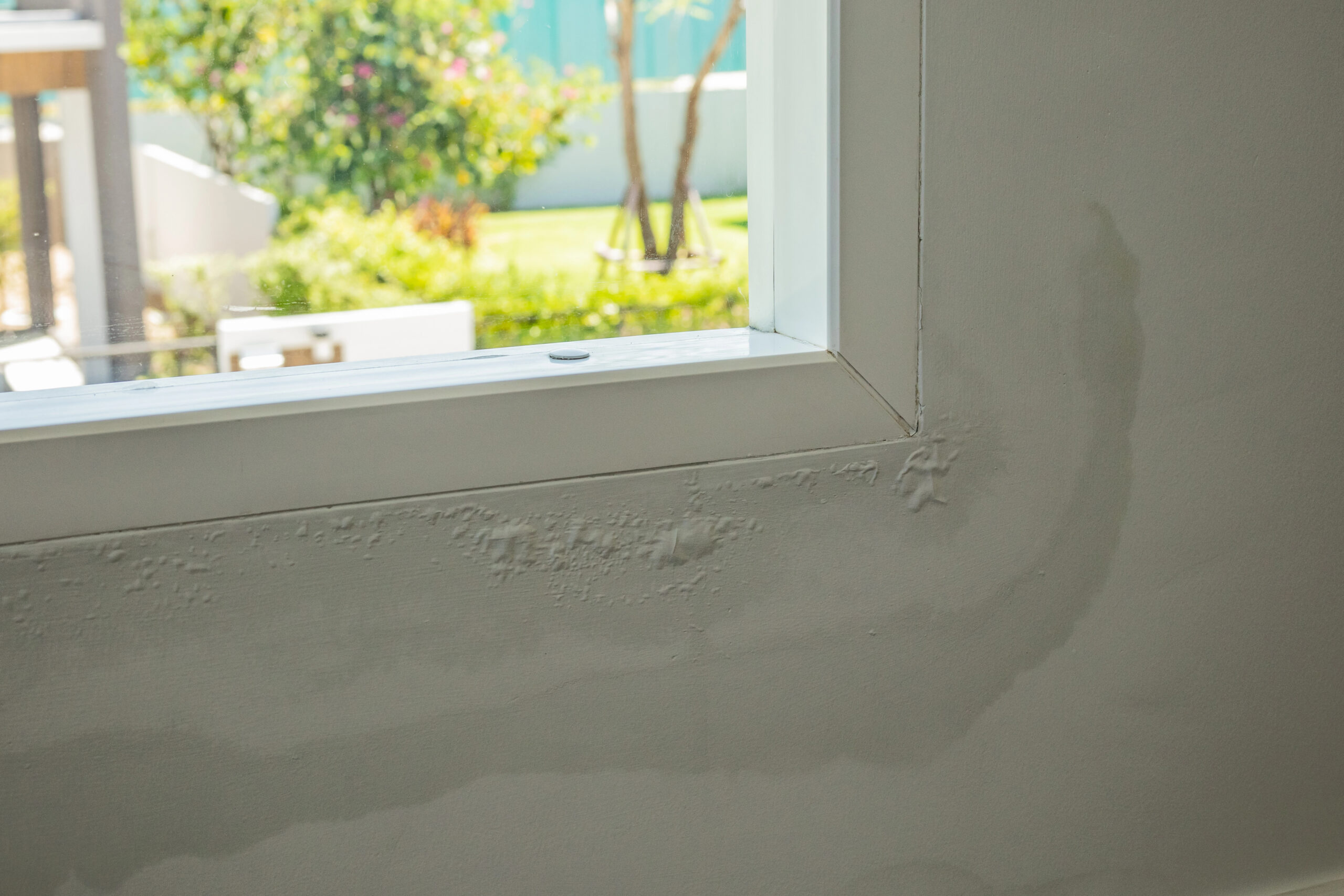
Damp Caused by Water Infiltration
This occurs when water enters through roofs, terraces, façades, windows, or exterior elements that have lost their waterproofing properties.
This is one of the most common situations in older buildings and often affects apartments located on upper floors or near façades exposed to rain.
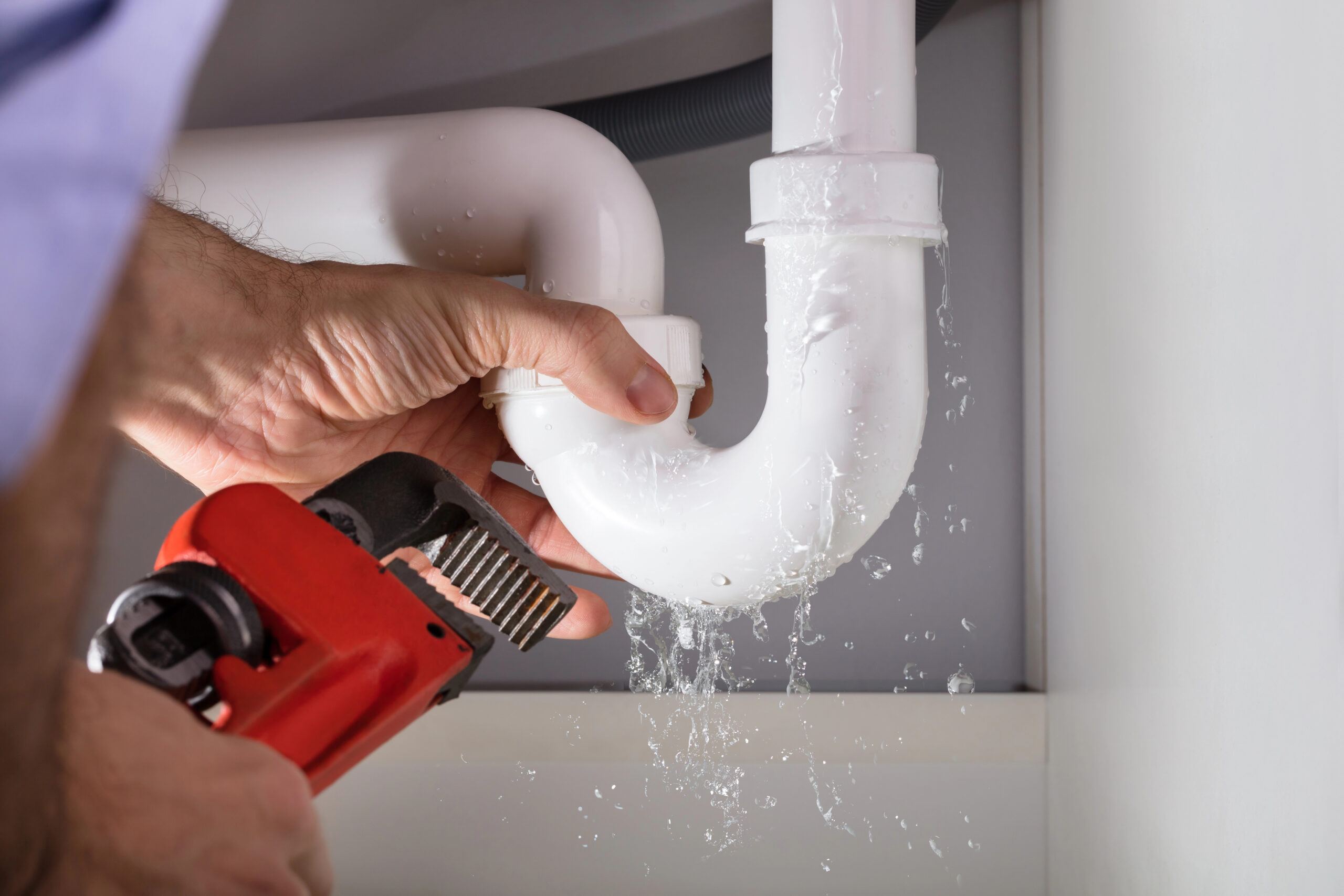
Damp Caused by Water Leaks
These issues occur when there is a fault in a pipe, drainage system, connection, or water installation.
Responsibility will depend on whether the affected pipe is a communal installation or a private one.
Condensation Damp
Condensation occurs when excessive moisture accumulates inside a property due to inadequate ventilation.
This type of damp often leads to mould growth, unpleasant odours, and black stains on walls and ceilings.
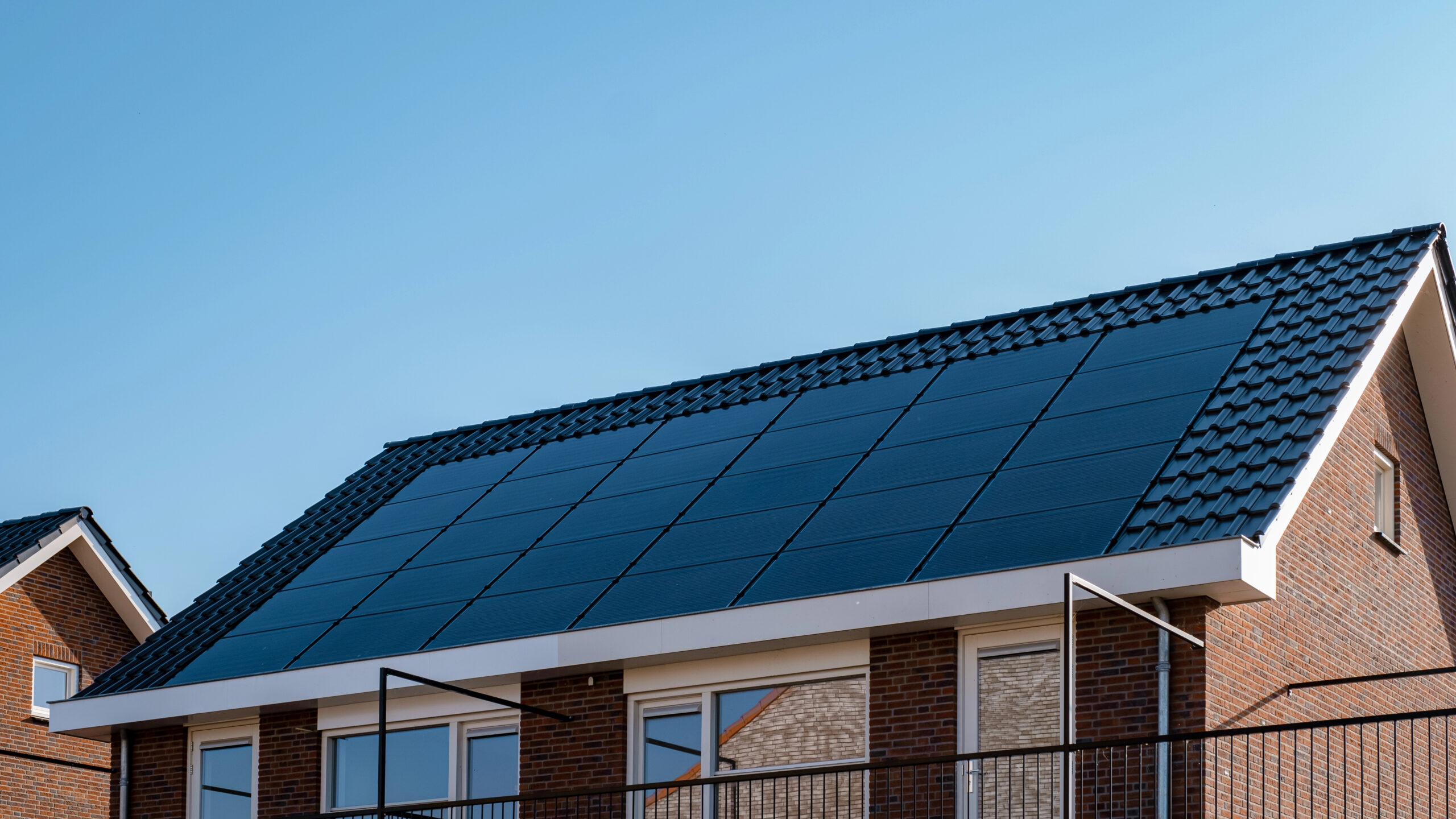
Damp Originating from Terraces or Roof Areas
Privately used terraces often create confusion regarding responsibility. Even if a terrace is used exclusively by one owner, the structure itself may still be considered a common element of the building.
For this reason, each situation must be analysed individually.
Who Pays When the Source Is a Common Element?
In general terms, the homeowners’ association is responsible for maintaining and repairing the building’s common elements.
If the damp problem originates from:
- The building roof
- The rooftop structure
- The façade
- Shared courtyards
- Communal drainage systems
- Main water pipes
- Structural elements
The repair will generally be the responsibility of the association.
This usually includes both fixing the source of the problem and, in many cases, repairing the damage caused inside the affected property.
For example, if a crack in the roof causes water infiltration that damages the ceiling of an apartment, the association will normally be responsible for repairing the roof and the resulting damage.
When Does the Property Owner Have to Pay?
There are situations where responsibility falls directly on the owner of the property.
This happens when the source of the damp issue is located within a private element.
Examples include:
- A leak in an internal pipe
- A defective bathroom or shower
- A washing machine causing water damage
- A faulty private installation
- Ventilation issues leading to condensation
In these cases, the owner is generally responsible for both repairing the fault and compensating for any damage caused to third parties.
What Happens If Several Properties Are Affected?
When the same issue affects multiple properties, it is often necessary to carry out a technical inspection to identify the exact source of the problem.
This step is crucial because many damp problems produce similar symptoms while having completely different causes.
A façade leak, a drainage failure, or a defective private pipe may all create similar stains and signs of moisture.
For this reason, it is advisable to act quickly and rely on qualified professionals who can accurately diagnose the issue.
Private Terraces: One of the Most Common Sources of Disputes
One of the most frequent disputes within homeowners’ associations involves terraces that are for private use.
Many owners assume that because they have exclusive use of the terrace, they are automatically responsible for any repairs.
However, this is not always the case.
In many buildings, the waterproofing layer, structural components, and construction elements of the terrace remain part of the building’s common elements.
Therefore, if the damp issue results from deterioration of the waterproofing system or structural components, the association may be responsible for the repair.
On the other hand, if the problem is caused by incorrect alterations, poor renovation work, or inadequate maintenance by the user, responsibility may fall on the owner.
How Should You Respond to a Damp Problem?
When damp problems appear in a homeowners’ association, it is important to follow a structured process.
1. Document the Damage
It is advisable to take photographs and gather as much information as possible from the beginning.
This will facilitate future assessments and help avoid disputes.
2. Report the Issue
The affected owner should notify the property manager or the president of the association as soon as possible.
Prompt communication can prevent the damage from worsening.
3. Identify the Source
Before deciding who should pay for the repair, it is necessary to accurately determine the cause of the damp issue.
This is the most important step in the entire process.
4. Carry Out the Repair
Once responsibility has been established, the source of the problem should be repaired as quickly as possible.
Delaying action often results in higher repair costs.
Why Is It Important to Act Quickly?
Ignoring a damp problem can have serious consequences for both the building and its occupants.
Common risks include:
- Damage to walls and ceilings
- Mould growth
- Health issues related to poor indoor air quality
- Structural deterioration
- Increased repair costs
- Disputes between owners and the association
Early intervention is usually far less expensive than dealing with extensive repairs once the problem has become severe.
The Role of Property Managers in Damp-Related Issues
Property managers play a key role in handling these types of incidents.
Their responsibilities include coordinating the necessary actions, managing communication between all parties involved, obtaining quotations, and ensuring that the association fulfils its maintenance obligations.
Efficient management helps reduce response times and prevent unnecessary disputes between property owners.
ForConnect: The Most Efficient Way to Resolve Damp Problems in Homeowners’ Associations
When damp problems arise, finding qualified professionals and obtaining a fast response is essential.
With ForConnect, property managers, homeowners’ associations, and private owners can quickly connect with specialists in damp detection, diagnosis, and repair.
The platform makes it easy to find qualified companies capable of dealing with water infiltration, leaks, waterproofing works, façade repairs, roof repairs, and other moisture-related issues.
If your community needs to solve a damp problem or you want to manage the repair process more efficiently, ForConnect helps you find the right professionals to act quickly and with confidence.
Conclusions
Determining who must pay for damp repairs in a homeowners’ association depends primarily on the source of the problem.
When the issue originates from a common element, responsibility will generally fall on the homeowners’ association. When the source is located within a private installation, the property owner will normally be responsible for the costs.
In any case, correctly identifying the cause is essential to avoid disputes and ensure an effective solution.
Acting quickly and working with specialised professionals is the best way to protect the building, reduce costs, and ensure the well-being of all residents.