Water Leaks at Home: How to Detect Them and Who Should Repair Them
Water leaks at home are one of the most common issues affecting both private properties and residential communities. What may initially seem like a minor leak can eventually lead to dampness, structural damage, higher water bills, and even disputes between neighbours.
Detecting a water leak early is essential to avoid costly repairs and minimise damage. However, many leaks go unnoticed for weeks or even months because they occur behind walls, under floors, or above ceilings.
In this article, we explain how to detect a water leak, the most common warning signs, who is responsible for repairing it, and the steps you should take to resolve the issue quickly and efficiently.
What Is a Water Leak and Why Is It Important to Act Quickly?
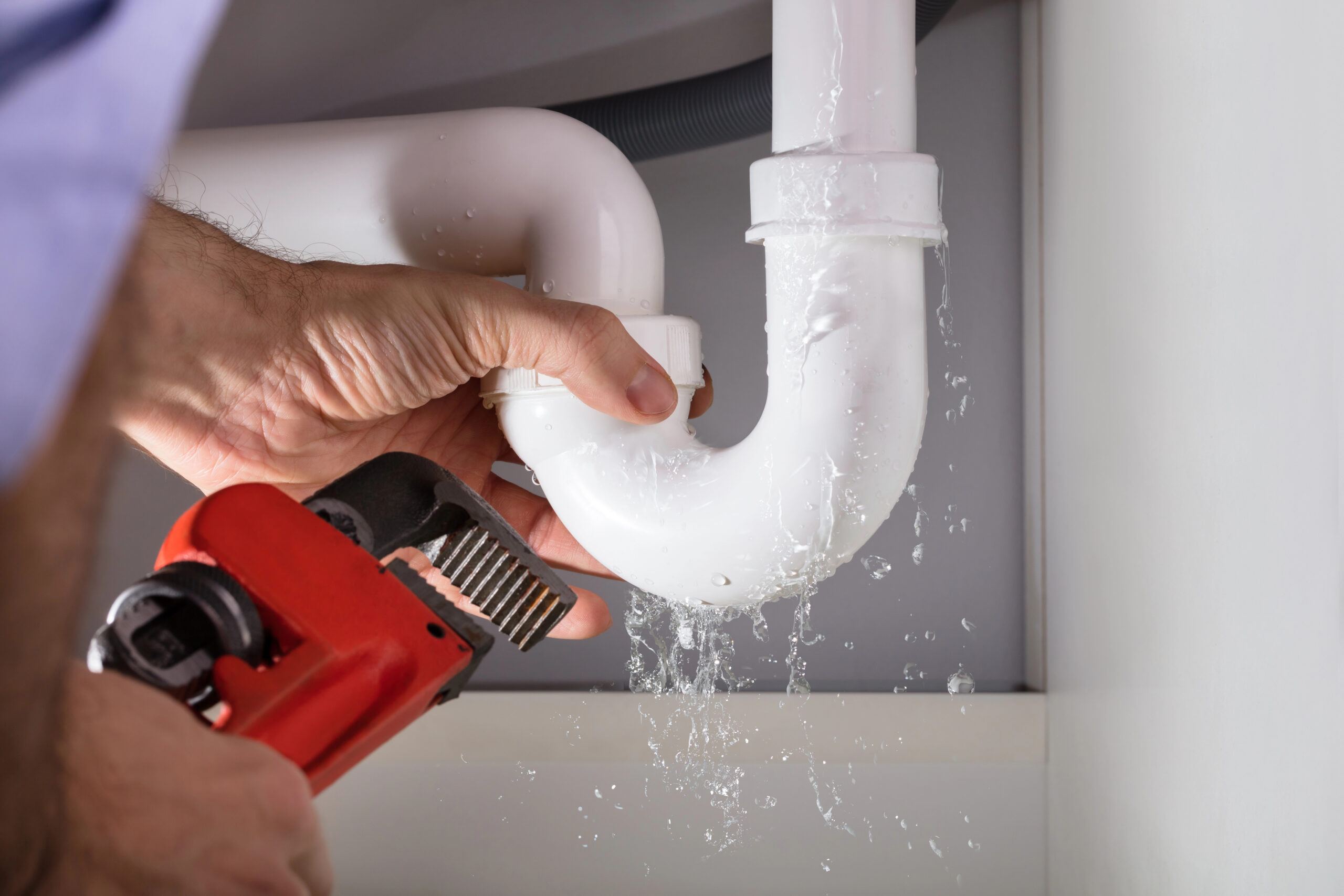
A water leak is any uncontrolled loss of water from a plumbing system, pipe, sanitary fixture, or water supply network.
While some leaks are easy to identify because water is visible, many occur in hidden areas of a home or building. As a result, the problem can develop silently and cause significant damage before it is discovered.
In addition to increasing water consumption, a leak can damage walls, ceilings, flooring, and structural elements. In apartment buildings, leaks often affect neighbouring properties and shared areas as well.
For this reason, acting quickly is the best way to reduce costs and prevent more serious problems.
How to Detect a Water Leak at Home
Many homeowners do not realise they have a leak until visible dampness appears or they receive an unexpectedly high water bill. Fortunately, there are several signs that can help identify the problem early.
Unusually High Water Bills
If your water consumption increases despite no changes in your household habits, there may be a hidden leak.
Comparing recent water bills is one of the easiest ways to identify a potential issue.
Damp Spots on Walls or Ceilings
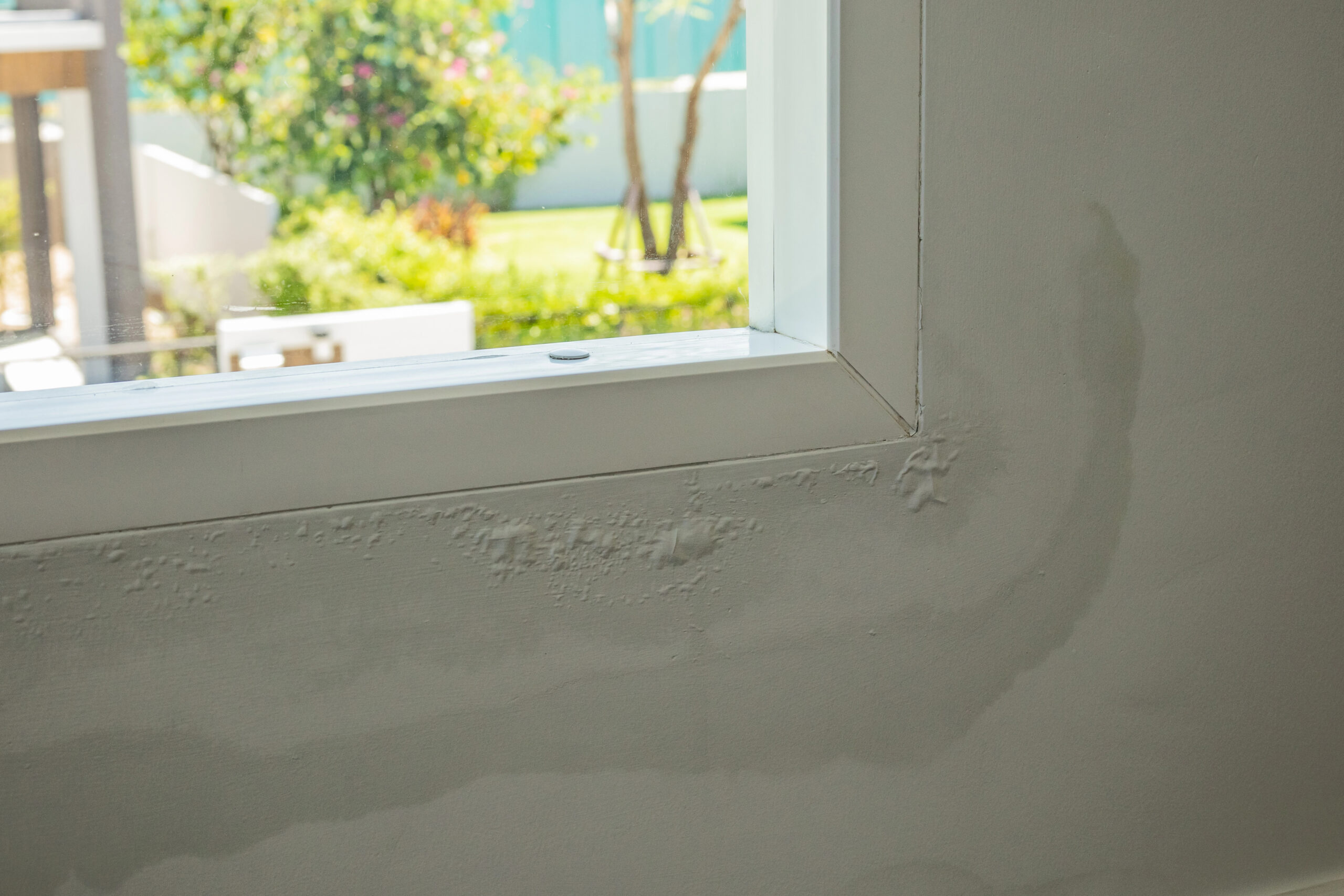
Damp patches are one of the most common warning signs. Dark stains, bubbling paint, or discoloured areas often indicate the presence of water where it should not be.
Mold Growth
Mold typically develops when there is persistent moisture. If mold appears in an area where it was not previously present, it may be caused by a water leak.
Sounds of Running Water
If you can hear water flowing even when all taps are turned off, it is advisable to inspect the plumbing system.
This noise may indicate a continuous leak somewhere in the network.
Reduced Water Pressure
A sudden drop in water pressure can also be a warning sign.
When a pipe leaks, part of the water escapes before reaching the points of use.
Checking the Water Meter
A simple and effective test is to turn off all taps and water-consuming appliances.
If the water meter continues to register usage, there is a strong possibility of a leak.
Where Do Water Leaks Usually Occur?
Water leaks can appear in various parts of a plumbing system.
Aging Pipes
Older buildings are generally more susceptible to leaks due to the natural deterioration of plumbing materials.
Joints and Connections
Pipe joints and connections are particularly vulnerable to wear and small leaks over time.
Bathrooms and Kitchens
These are the areas with the highest water usage and therefore the most common locations for plumbing issues.
Terraces and Roofs
Waterproofing failures can cause leaks that eventually affect lower floors or neighbouring properties.
Common Areas
Shared pipes, drainage systems, and vertical risers are also common sources of problems in residential buildings.
Who Is Responsible for Repairing a Water Leak?
One of the most common questions is determining who is responsible for carrying out the repair.
The answer depends on the exact location and origin of the leak.
When the Homeowner Is Responsible
In general, homeowners are responsible for all private plumbing installations located within their property.
This typically includes:
- Internal pipes.
- Taps and sanitary fixtures.
- Appliances connected to the water supply.
- Private plumbing installations.
When the Residential Community Is Responsible
A residential community is usually responsible when the leak originates from a shared element of the building.
For example:
- Shared drainage pipes.
- Main riser pipes.
- Communal plumbing systems.
- Shared water storage or supply systems.
In these situations, the property manager often coordinates the repair process and the professionals involved.
What Happens If Multiple Properties Are Affected?
When a leak causes damage to several homes, it is essential to identify the exact source.
In many cases, a technical inspection is required to determine liability and manage any insurance claims correctly.
Does Home Insurance Cover Water Leaks?
In many situations, the answer is yes.
Most home insurance policies include coverage for water damage, although the exact conditions vary depending on the provider and policy.
It is advisable to check whether your insurance covers:
- Leak detection.
- Pipe repairs.
- Material damage.
- Liability coverage.
- Damage caused to third parties.
Whenever a leak is detected, contacting your insurance provider as soon as possible is highly recommended.
What to Do If You Discover a Water Leak
A fast response can significantly reduce the extent of the damage.
1. Shut Off the Water Supply
If the leak is significant, the first step is to close the main water valve immediately.
2. Identify the Affected Area
Locating the approximate source of the problem will help speed up the repair process.
3. Document the Damage
Taking photographs can be useful for insurance purposes and for communicating with property managers or residential communities.
4. Contact Qualified Professionals
Attempting to repair a leak without the necessary expertise can make the situation worse.
5. Notify the Residential Community If Necessary
If the issue affects common elements or neighbouring properties, it should be reported immediately.
How to Prevent Future Water Leaks
Prevention is the most effective way to avoid costly repairs.
Some recommended measures include:
- Carrying out regular plumbing inspections.
- Replacing aging pipes when necessary.
- Monitoring water consumption.
- Checking waterproofing systems.
- Acting immediately when dampness appears.
- Scheduling preventive inspections with professionals.
These measures help identify potential issues before they become major problems.
The Importance of Efficient Repair Management
When a water leak occurs, every hour matters. A quick response can prevent extensive damage and significantly reduce repair costs.
For property managers, residential communities, and homeowners, having fast access to trusted professionals is essential for resolving issues efficiently.
ForConnect: The Efficient Way to Manage Repairs and Maintenance
When a water leak occurs, finding the right professional quickly is critical.
ForConnect connects property managers, residential communities, and homeowners with qualified professionals to handle repairs, maintenance work, and incidents efficiently.
This direct connection helps speed up problem resolution, reduce waiting times, and improve coordination between all parties involved.
Frequently Asked Questions About Water Leaks
How Can I Tell If I Have a Hidden Water Leak?
If you notice higher water bills, damp patches, mold growth, or continued water meter activity when all taps are closed, you may have a hidden leak.
Who Pays for a Water Leak in a Residential Community?
Responsibility depends on whether the leak affects a private element or a shared building component.
Does Insurance Cover a Water Leak?
In most cases, yes, although coverage depends on the specific terms of the insurance policy.
When Should I Contact a Professional?
As soon as you detect any signs of a leak to prevent further damage and higher repair costs.
Conclusion
Water leaks at home can lead to serious problems if they are not detected early. Understanding the main warning signs, knowing who is responsible for repairs, and acting quickly are essential steps to minimise damage and costs.
Whether you are a homeowner, part of a residential community, or a property manager, working with qualified professionals is the best way to resolve any water leak efficiently and effectively. With ForConnect, finding the right professionals to manage these repairs is fast, simple, and reliable.